Standard chemical tests ignore the living microbial workforce that drives natural plant health. We provide rapid, quantitative biomass testing and expert consulting to help you eliminate toxic chemicals, drastically improve air and water quality, and naturally suppress pests and diseases.
Quantitative direct counting of fungal hyphae diameter/color, amoebae, flagellates, ciliates, and micro-arthropods.
Most soils contain thousands of pounds of locked-up phosphorus, calcium, potassium, and trace minerals per acre. Chemical tests only measure the tiny fraction currently soluble in chemical extractants—encouraging growers to apply synthetic fertilizers that kill off mycorrhizae and beneficial microbes.
At Earth Biology Lab, we follow the biological framework developed by Dr. Elaine Ingham. By evaluating the living biomass and active functional groups under high-magnification microscopy, we reveal whether your soil has the organisms necessary to solubilize minerals, store nutrients in organic form, build soil structure, and suppress root disease without chemical inputs.
Diverse aerobic bacteria and fungi colonize root surfaces, blocking out pathogens naturally.
Protozoa and nematodes feed on bacteria, excreting plant-available nitrogen directly at the root zone.
Primary mineral glues and initial decomposers creating soil micro-aggregates.
Saprophytic and mycorrhizal strands that bind macro-aggregates and transport minerals across distances.
Amoebae & flagellates release plant-available ions; ciliates serve as early anaerobic indicators.
Classified into bacterial feeders, fungal feeders, and predatory nematodes that hunt pest species.
Choose the standard profile for your field soil, compost batch, or liquid compost extract / tea.
Direct microscopy count of active and total functional organism groups (fungi, bacteria, protozoa, nematodes).
Complete biology assay paired with high-resolution micrograph gallery, succession benchmarking, and lab specialist advisory.
Rapid check for active aerated compost tea (AACT), liquid biologicals, and compost extracts for anaerobic indicators.
Direct farm or garden consulting, biological system design, and remediation planning.
Save 5% on 5-9 samples, 10% on 10-14 samples, and 15% on 15+ samples automatically applied in our calculator and intake form.
Explore official, peer-reviewed studies documenting how restoring the biological soil microbiome eliminates the need for toxic chemicals, naturally suppresses pests, and improves the health of the air and environment.
The foundational, official United States Department of Agriculture publication explaining how healthy bacteria, fungi, and protozoa cycle plant nutrients naturally, completely replacing the need for synthetic, chemical fertilizers.
Read on nrcs.usda.govRead proven academic extension research detailing how managing the biological microbiome drastically outperforms chemical management, leading to robust root growth and healthier, more resilient crops.
Read Academic ArticleExplore peer-reviewed biological studies on PubMed (National Institutes of Health) proving that a healthy soil microbiome acts as a natural immune system, suppressing disease and root pests without toxic chemicals.
Read the NIH ReviewSave 5% on 5-9 samples, 10% on 10-14 samples, and 15% on 15+ samples automatically applied in our calculator and intake form.
Real high-magnification micrographs captured in our laboratory during quantitative Soil Food Web assays. Click any image to inspect full details.
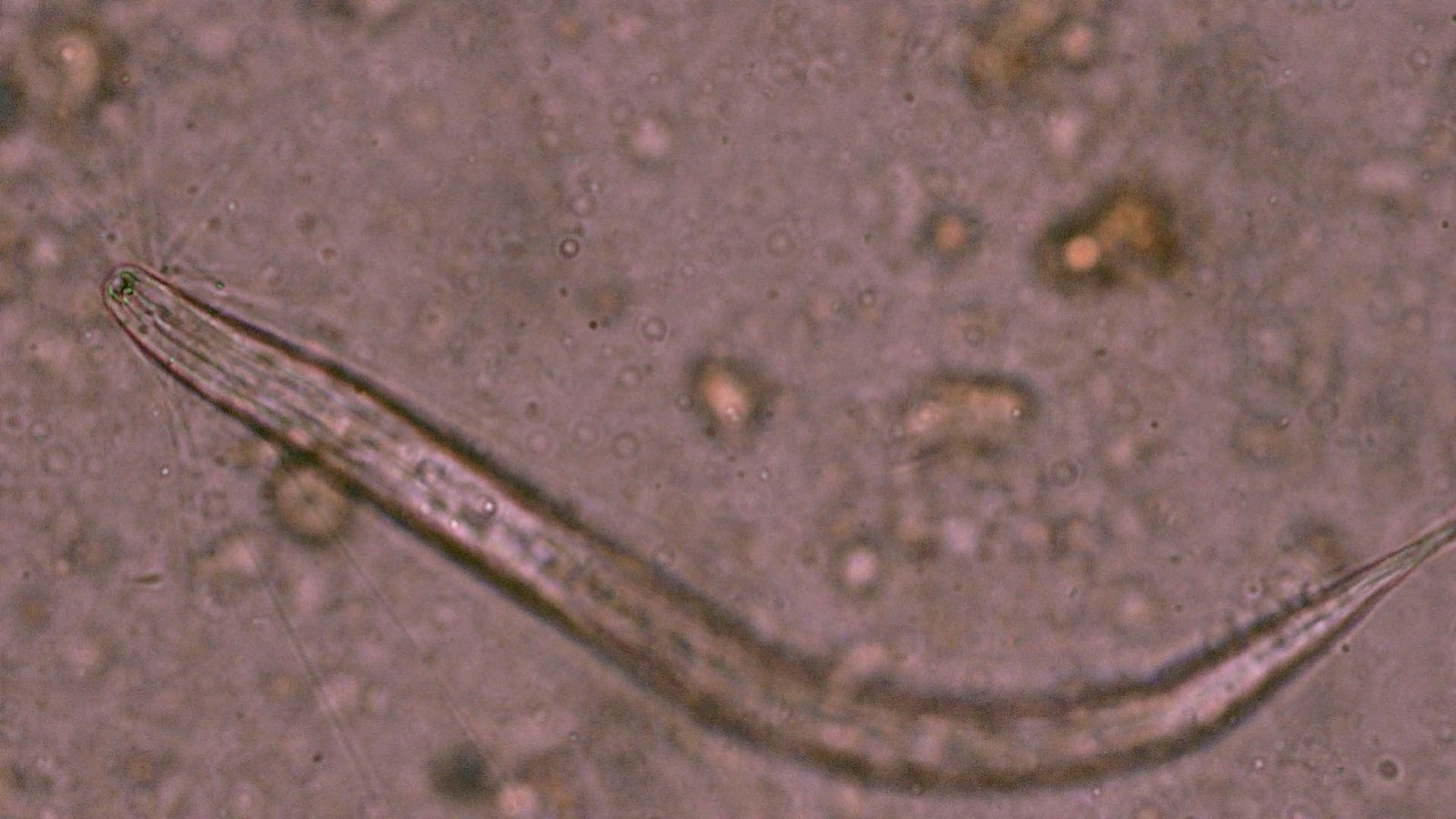 400x
400x
Biological nematode-fungal equilibrium
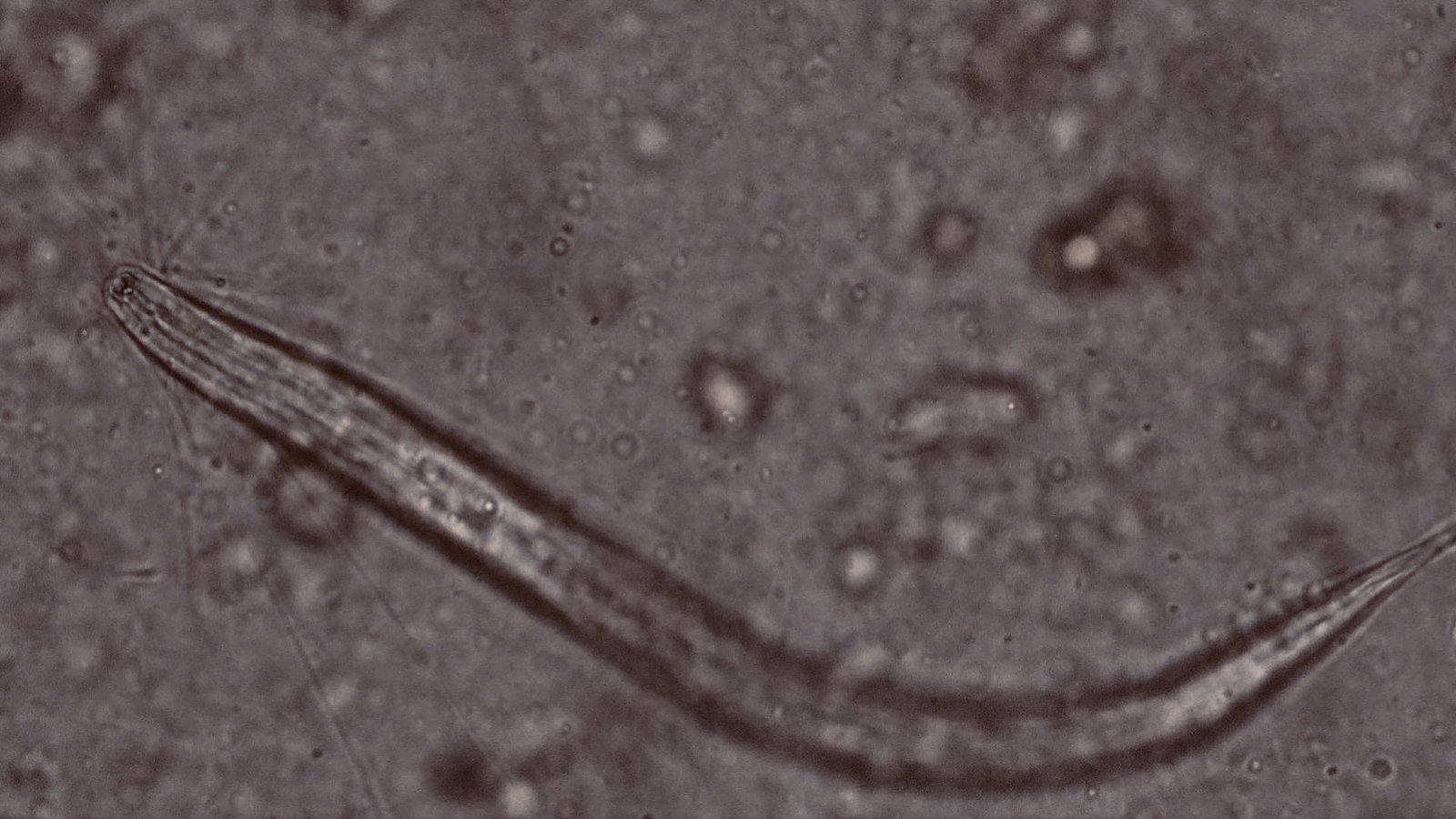 400x
400x
Key nutrient cycling organism
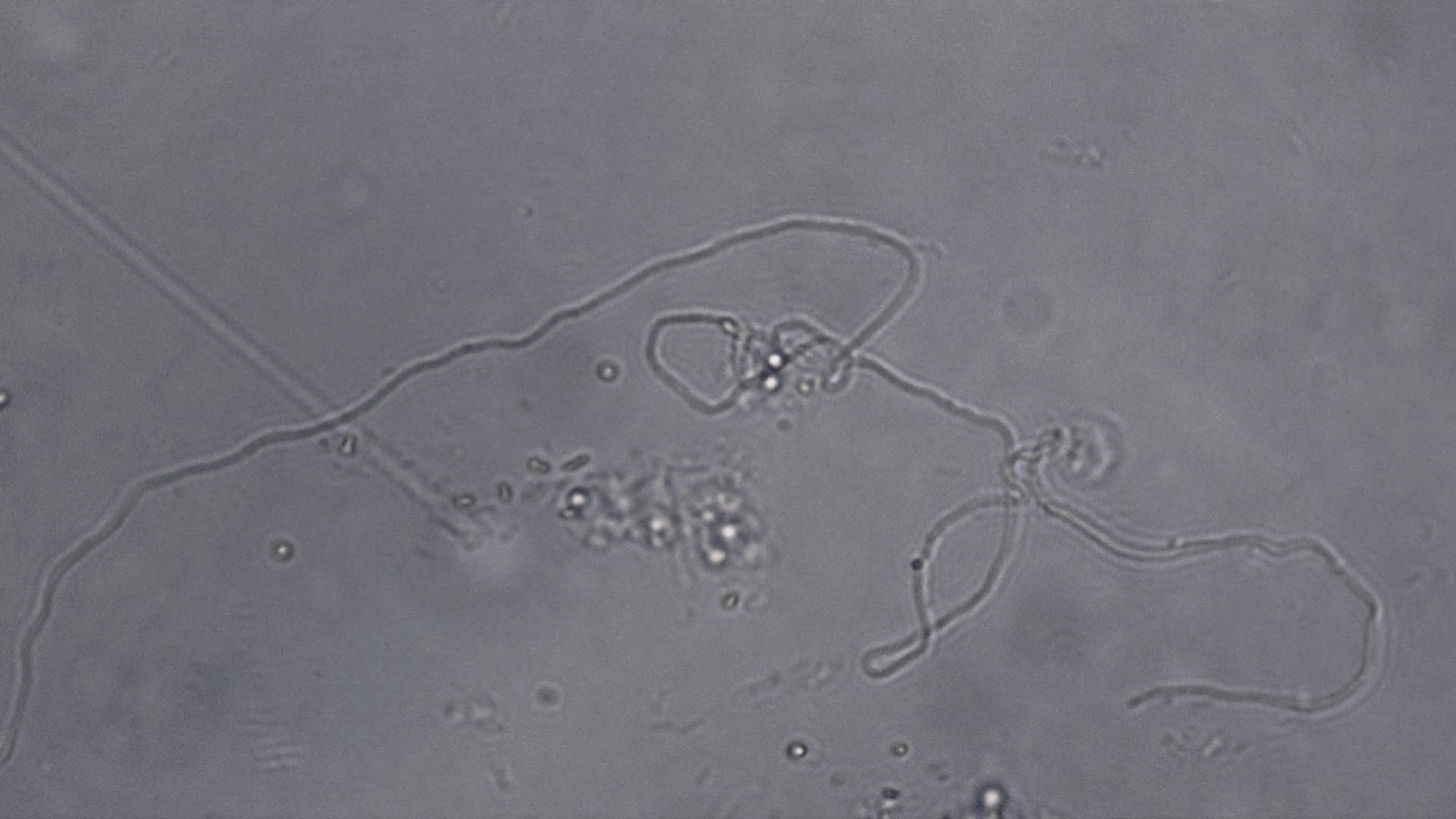 400x
400x
Antimicrobial soil builders
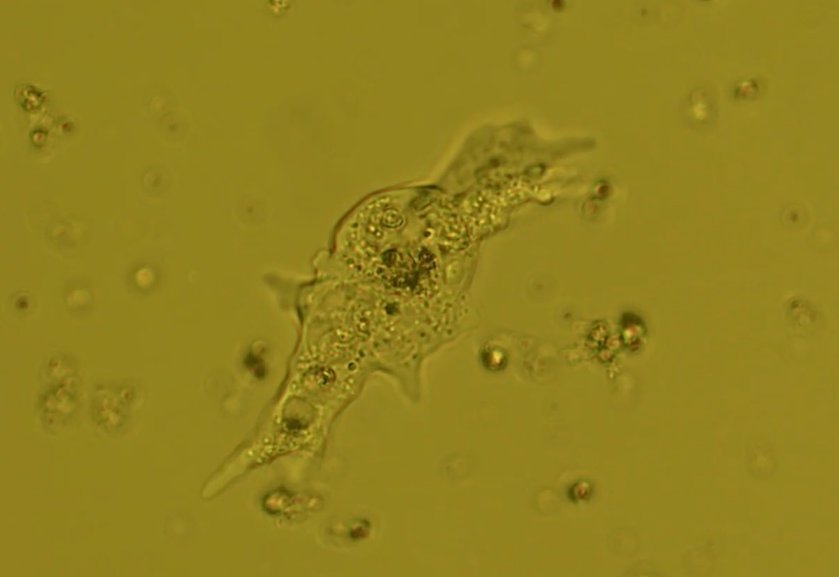 400x
400x
High-efficiency nitrogen cycler
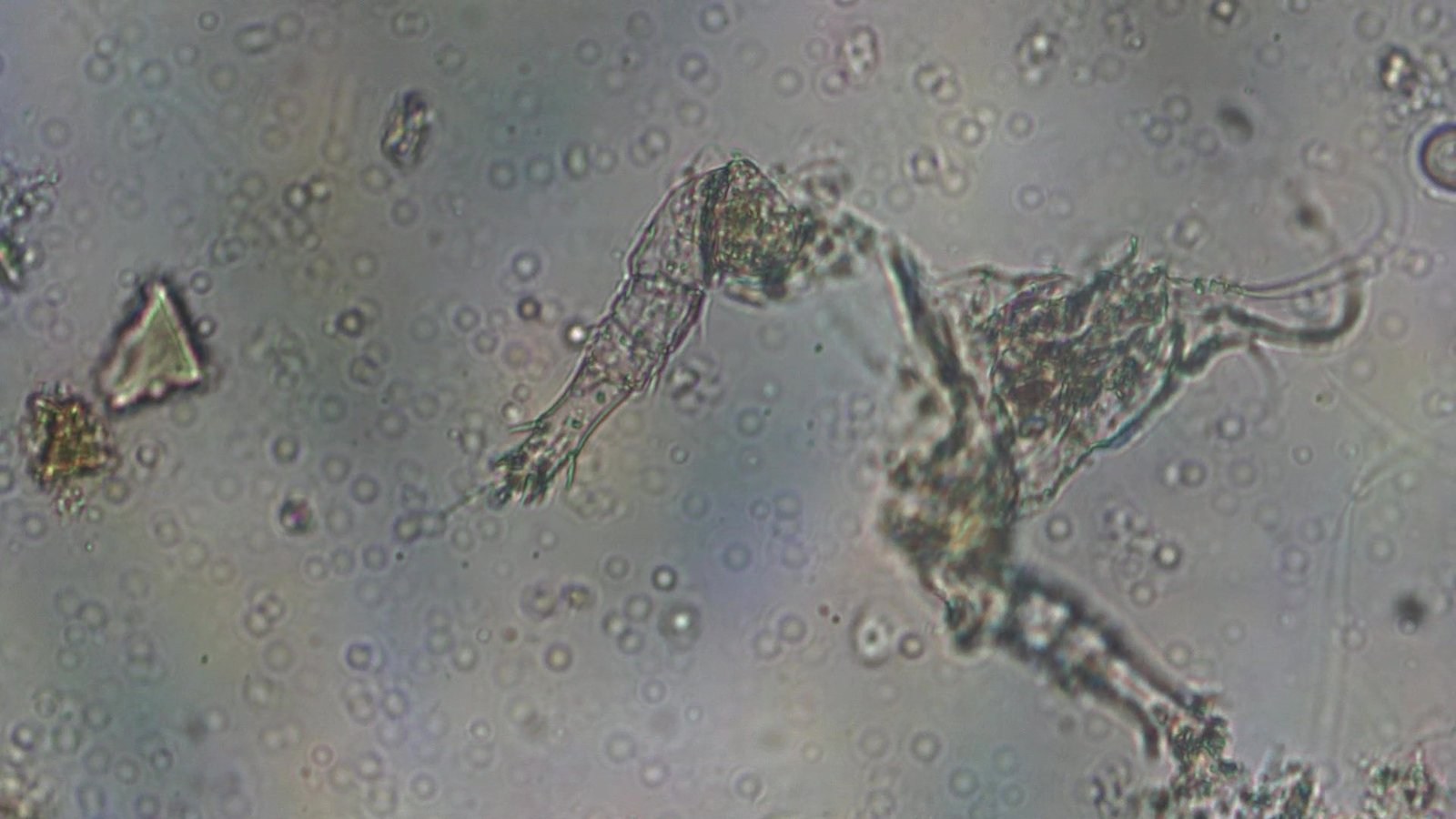 100x
100x
Macro-shredder & pore creator
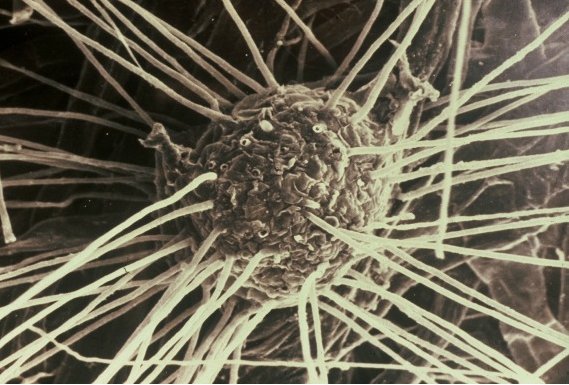 200x
200x
Symbiotic phosphorus pipeline
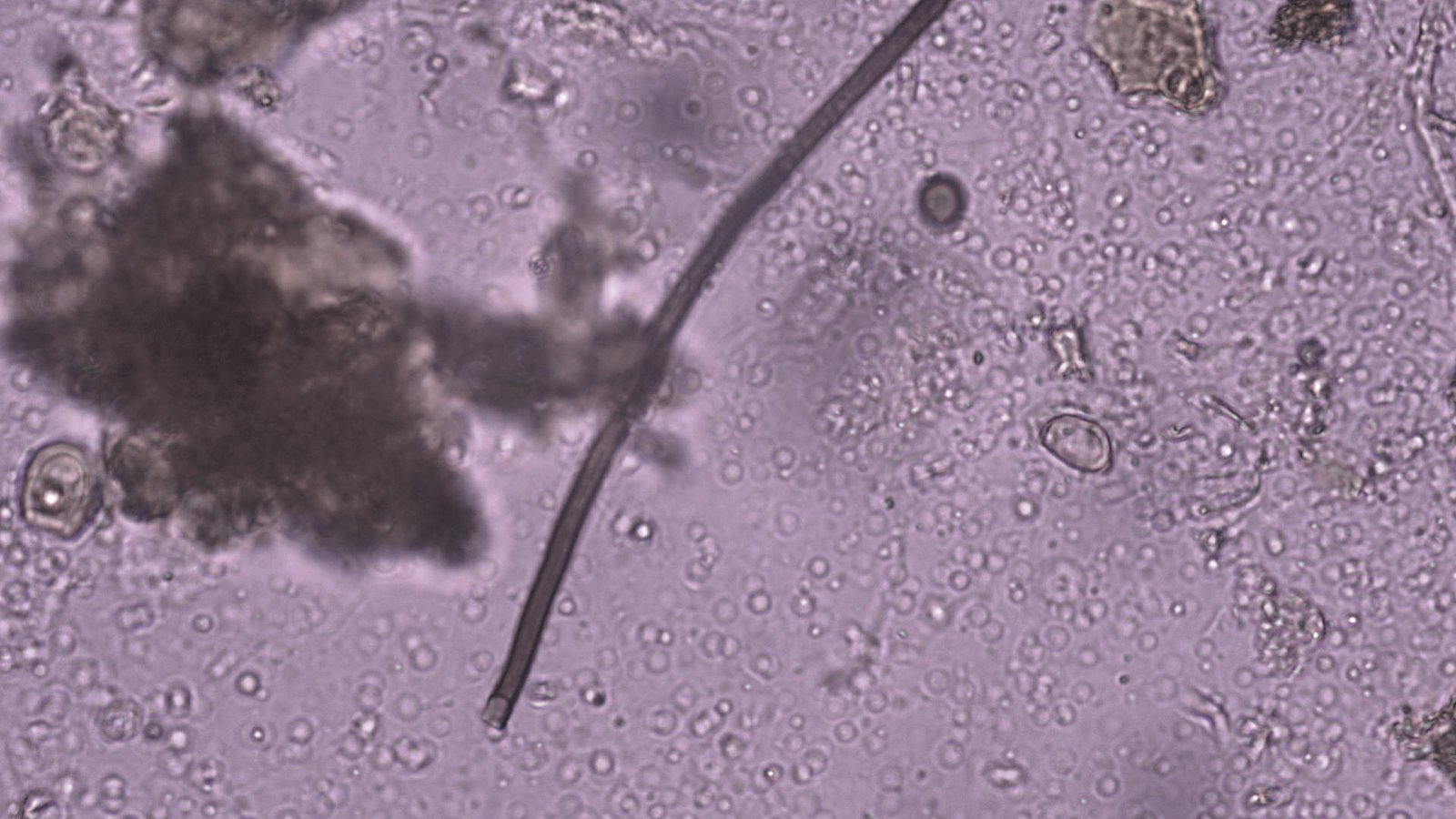 400x
400x
F:B biomass ratio determination
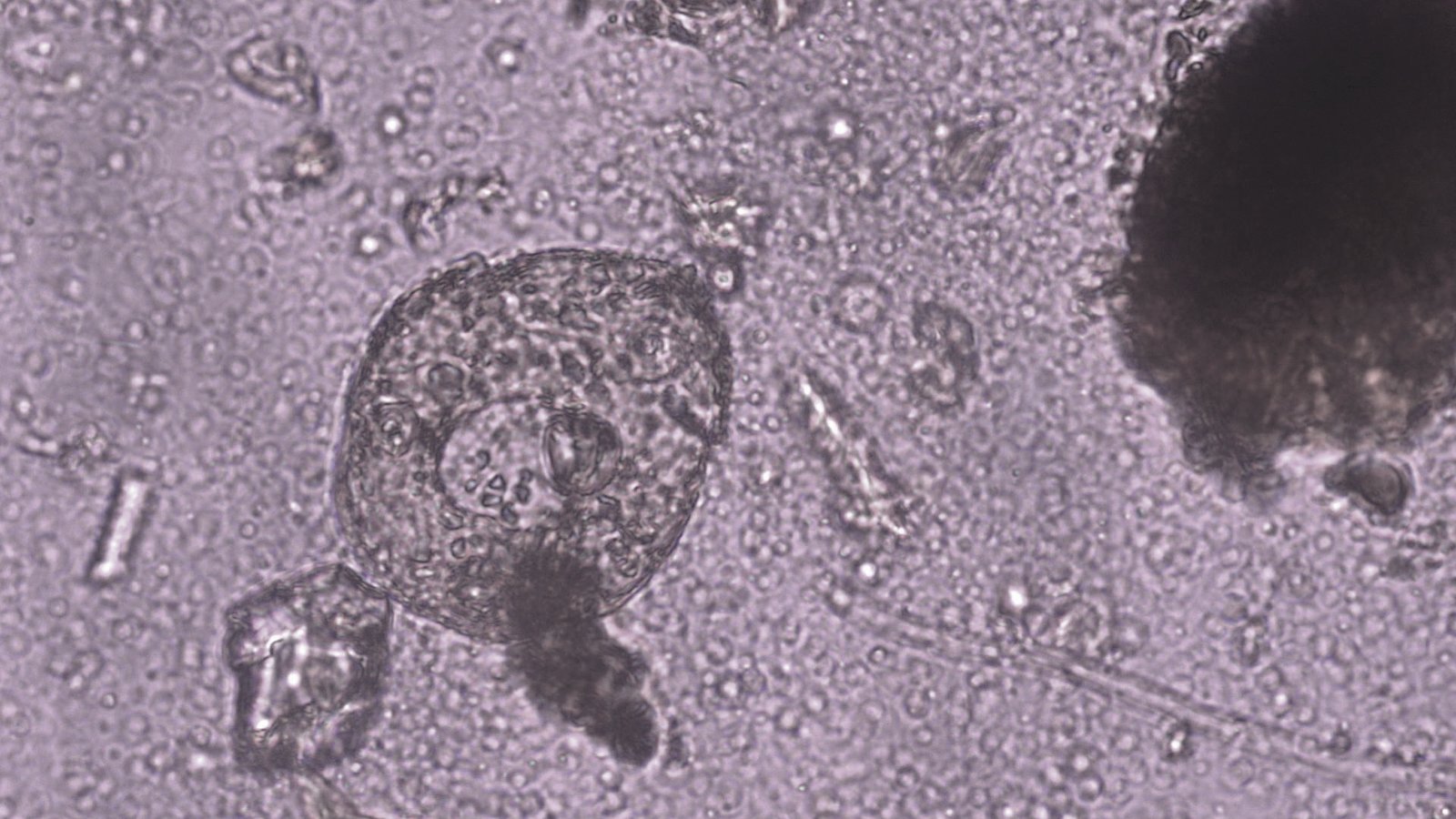 400x
400x
Aerobic indicator verification
Estimate your exact testing cost based on assay type, batch size discounts, and turnaround speed.
Soil microbes are living organisms. Following this simple 4-step protocol ensures organisms remain aerobically viable in transit to our lab.
Scrape away loose surface detritus. Collect 3-5 sub-samples from the active root zone (0-4 inches depth) across your test area and combine gently in a clean bucket.
Fill a standard zip-top quart bag about halfway (~1 cup of composite soil). Do NOT vacuum seal; leave generous air headspace inside so organisms can breathe.
Using a permanent marker, label each bag with Sample ID, Date Sampled, Target Crop/Plant, and Sample Type (Compost, Topsoil, Rhizosphere, Liquid).
Ship via USPS Priority Mail or UPS on a Monday or Tuesday so your parcel never sits over the weekend in an unconditioned distribution hub.
Designated shipping destination and packing slip instructions are provided upon online pre-registration and dispatched to your email (Info@EarthBiologyLab.com).
Pre-registering logs your samples in our laboratory intake queue, calculates volume discounts, and generates your printable Chain of Custody packing slip.
Have questions about sampling procedures, compost tea recipes, or interpreting a previous biological report? Reach out directly to our lab specialist.
Direct inquiries, testing guidance, and sample intake questions. We respond promptly Monday through Friday.
Official intake packaging instructions and shipping destination are provided upon order pre-registration. Samples are received and analyzed nationwide.